Over the past few years, the financial sector in Nigeria has experienced major changes due to the growth of financial technology (fintech). One of the most noticeable developments is the rise of digital loan apps.
These applications allow individuals to borrow money directly from their smartphones without visiting a physical bank. For many Nigerians, especially small business owners, students, and salary earners, loan apps have become a quick solution during financial emergencies.
However, the popularity of loan apps has also created concerns about safety and legitimacy. While some platforms operate legally under financial regulations, others have been accused of harassment, privacy violations, or fraudulent practices. Because of this, it is important to understand which loan apps are reliable and how they operate.
This review explains what loan apps are, highlights some reliable loan apps in Nigeria, discusses their features and benefits, and explains how users can identify legitimate platforms.
Read Also: Migo Loan App Review: How to Apply, Interest Rate &; Others
What Are Loan Apps?
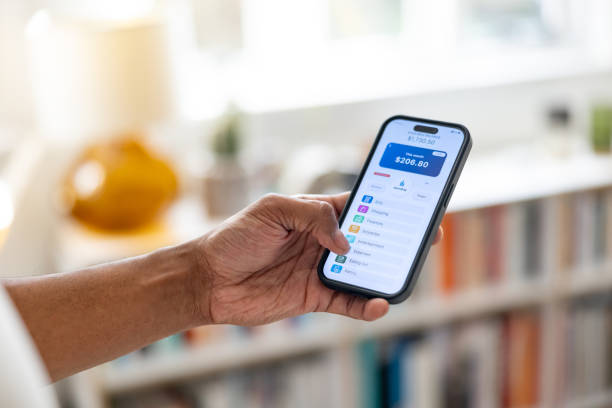
Loan apps are digital platforms that allow people to apply for loans through mobile applications or online services. Instead of visiting a commercial bank branch and filling out paperwork, borrowers can request loans directly through their smartphones.
After registering on the app, users usually provide basic personal details and verify their identity through systems such as their Bank Verification Number (BVN). The platform then analyses the applicant’s financial information and decides whether to approve the loan.
If the loan is approved, the money is typically transferred directly to the borrower’s bank account within a short time. In many cases, the process takes only a few minutes or hours. This speed and convenience explain why loan apps have become increasingly popular in Nigeria.
Reliable Loan Apps in Nigeria
Several loan apps in Nigeria are considered reliable because they operate under licensed financial institutions and comply with regulatory guidelines. Authorities such as the Federal Competition and Consumer Protection Commission (FCCPC) and the Central Bank of Nigeria (CBN) supervise many digital lenders operating in the country.
In fact, regulators have approved hundreds of digital lending companies while removing some unregistered apps from app stores in order to protect consumers.
Some of the most commonly recognised loan apps include:
- FairMoney
- Carbon
- Branch
- PalmCredit
- Opay
- QuickCheck
- Renmoney, and
- EaseMoni.
These platforms are operated by licensed financial service providers and are widely used across the country.
FairMoney is one of the most popular digital lenders in Nigeria. It operates as a microfinance bank and provides instant personal loans as well as digital banking services. Many users prefer it because of its quick approval process and easy mobile interface.
Carbon, formerly known as Paylater, is another well-known lending platform. In addition to providing loans, Carbon offers services such as bill payments, savings, and investment options.
Opay. Opay is a financial technology platform that provides mobile payments, transfers, and other financial services. Many Nigerians use Opay for everyday transactions such as sending money, buying airtime, and paying utility bills. The platform also offers services that allow users to access short-term credit depending on their transaction history.
PalmCredit is another widely used loan app that provides quick, short-term loans to individuals. Many people use it when they need small amounts of money for urgent needs.
QuickCheck and Renmoney are also recognised lending platforms in Nigeria. QuickCheck mainly provides small emergency loans, while Renmoney offers larger loan amounts, especially for salaried workers.
Main Features of Reliable Loan Apps

Reliable loan apps usually have several important features that make them useful and trustworthy for borrowers.
1) Most reliable loan apps provide quick loan approval and disbursement. Many users can receive funds within minutes after their loan application is approved.
2) These platforms are easily accessible. Since they operate through mobile apps, borrowers can apply for loans anytime and from any location without visiting a bank.
3) Another important feature is transparency. Legitimate loan apps clearly explain their interest rates, repayment schedules, and service charges before the borrower accepts the loan.
Security is also an essential feature. Reliable platforms protect users’ personal data and follow regulatory rules designed to prevent abuse or fraud.
How to Use Loan Apps in Nigeria
Using a loan app is usually simple. The first step is to download the application from an official app store such as Google Play Store or Apple App Store.
After installing the app, the user creates an account by providing personal details such as name, phone number, and bank account information. The user may also need to verify their identity through their BVN.
Once the account is verified, the borrower can request a loan by selecting the desired amount and repayment period. The platform then analyses the request and determines whether the loan will be approved.
If the loan is approved, the funds are transferred to the borrower’s bank account. The borrower must then repay the loan within the agreed time frame to avoid penalties or additional charges.
Benefits of Loan Apps
Loan apps offer several advantages that explain why many Nigerians use them today.
One major advantage is convenience. Borrowers do not need to visit a physical bank branch or fill out large amounts of paperwork.
Another benefit is speed. Traditional bank loans may take days or weeks to process, but digital loan apps can provide funds within minutes.
Loan apps also promote financial inclusion. Many people who cannot easily obtain loans from traditional banks are able to access credit through digital lending platforms.
Additionally, responsible repayment can help users build a positive credit history. Over time, this may increase the amount of money they can borrow.
Are Loan Apps Legitimate or Risky?

Although many loan apps in Nigeria are legitimate, some illegal lenders have also appeared in the market. Certain unregistered platforms have been accused of unethical practices such as harassment, misuse of personal data, or extremely high interest rates.
Research on digital lending has also shown that some apps request excessive permissions on users’ phones, which can raise privacy concerns.
Because of these risks, Nigerian authorities have introduced regulations to monitor digital lenders and remove illegal apps from online stores.
Therefore, users are advised to verify whether a loan app is approved before using it. Borrowers should also carefully read the loan terms and avoid platforms that promise unrealistic benefits.
Frequently Asked Questions (FAQs)
1. Are loan apps legal in Nigeria?
Yes, many loan apps are legal in Nigeria as long as they operate under approved financial institutions and comply with regulations from agencies such as the FCCPC and the Central Bank of Nigeria.
2. Can someone get a loan without collateral using loan apps?
Yes. Most digital loan apps provide unsecured loans, which means borrowers do not need collateral. Instead, lenders evaluate the applicant using financial data and credit history.
3. How fast can someone receive a loan from a loan app?
Many loan apps process applications quickly and may transfer money to the borrower’s account within minutes or a few hours after approval.
4. What happens if someone does not repay a loan?
Failure to repay a loan may result in penalties, additional interest, or reporting to credit bureaus. This can affect the borrower’s ability to obtain loans in the future.
5. How can someone identify a reliable loan app?
A reliable loan app usually provides clear loan terms, transparent interest rates, and verifiable company information. It should also be registered with regulatory authorities and available on official app stores.
Conclusion
Reliable loan apps have become an important part of Nigeria’s growing fintech industry. These platforms provide quick and convenient access to credit for millions of people who may not have easy access to commercial banking services. Apps such as FairMoney, Carbon, Branch, Opay, PalmCredit, QuickCheck, and Renmoney are among the commonly recognised lending platforms operating within Nigeria’s regulatory framework.
Furthermore, while loan apps can be helpful in solving short-term financial needs, borrowers should always exercise caution. It is important to choose regulated platforms, understand the loan conditions clearly, and borrow only what can be repaid on time.
When used responsibly, reliable loan apps can serve as useful financial tools for managing unexpected expenses and improving financial stability.